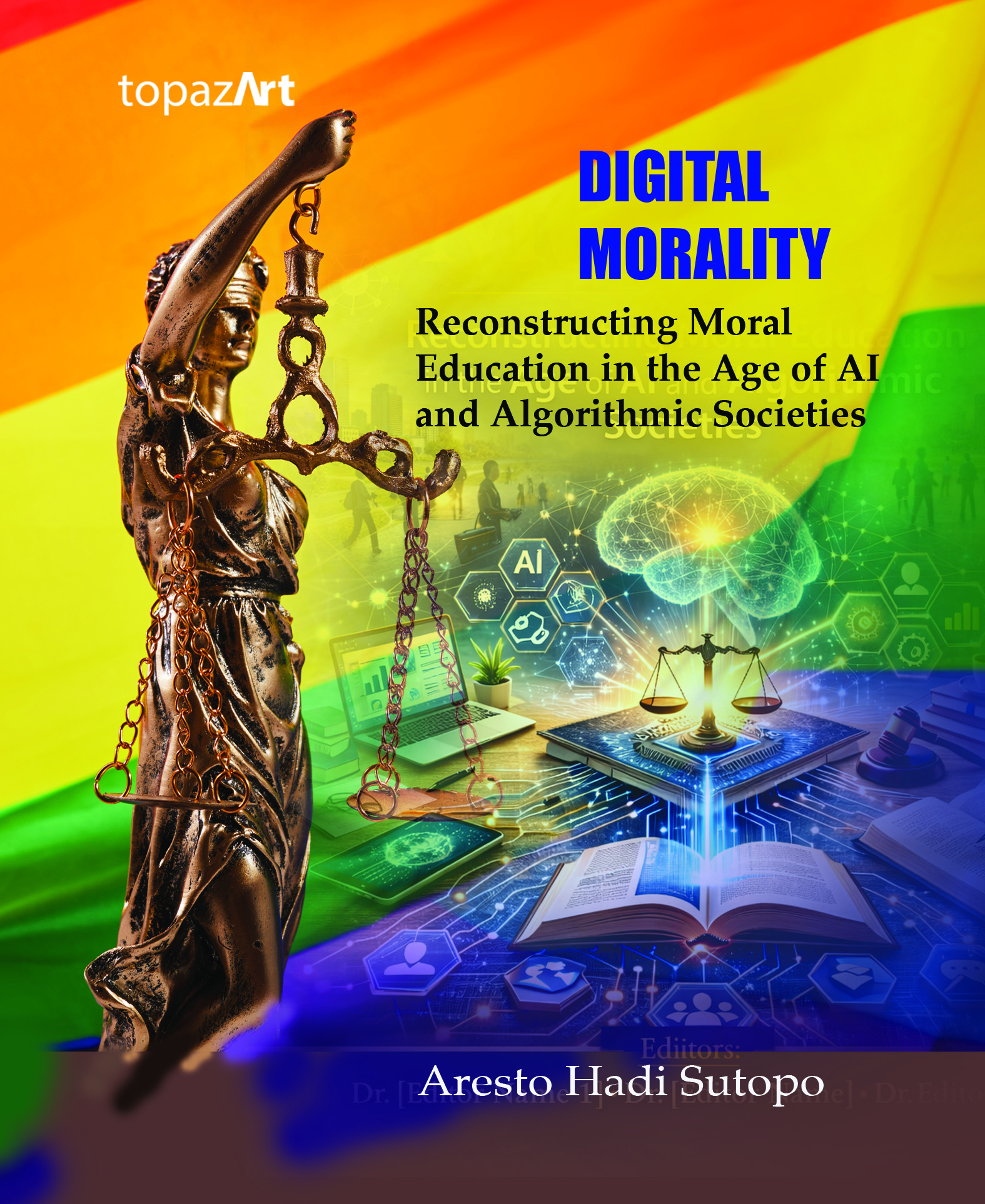
Digital Morality was born from a simple yet urgent question: How can moral education keep pace with the algorithmic forces that shape our world? Traditional approaches—rooted in philosophy, religion, or civic instruction—are insufficient in preparing learners to navigate societies where choices are increasingly mediated by opaque, automated systems. To engage meaningfully with the ethical dilemmas of AI and digital platforms, individuals must not only understand moral principles, but also recognize the values and biases encoded in the technologies that surround them.
This book seeks to reconstruct moral education for the age of AI. It explores how ethical reflection, critical reasoning, and moral imagination can be cultivated in an algorithmically mediated society. It examines both the challenges posed by technology—bias, surveillance, digital manipulation—and the opportunities it presents to rethink education, foster digital literacy, and develop ethical agency in students of all ages.
The detail product as follows:
 TOPAZART PUBLISHING